Get a Free EV Charger with Panel Upgrade
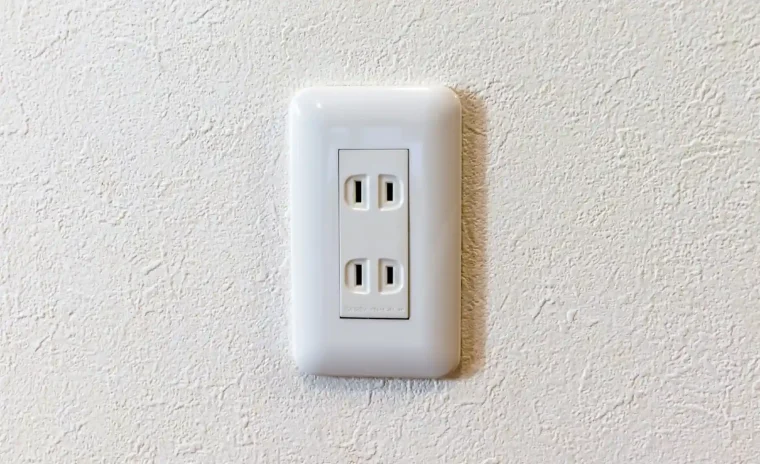
How to Install an Outlet Safely and Easily
Knowing how to perform an electrical outlet installation correctly can make your home safer and more convenient. Whether you are remodeling, adding outlets for new appliances, or updating old wiring, installing an outlet properly ensures your electrical system works safely and efficiently.
At Gordon Electrical Service, we understand that reliable power starts with proper wiring. In this guide, we’ll walk you through how to install an electrical outlet safely and easily, including the tools, materials, and safety steps you need to know.
Why Proper Electrical Outlet Installation Matters
Outlets are the access points to your electrical system. Poor wiring or loose connections can lead to flickering lights, power surges, or potential fire hazards. A correct electrical outlet installation helps:
- Keep your wiring safe and up to code.
- Ensure a steady power supply for your devices.
- Prevent short circuits or overheating.
- Add convenience and reduce overloading on power strips.
If your system is outdated or overloaded, this might be the right time for a Panel Change-Out / Upgrade to handle modern electrical needs.
Before You Begin: Know the Basics
Before you install electrical outlet wiring, it helps to understand how your electrical system works. Every outlet connects to a circuit that runs back to your main breaker panel. Electricity flows from that panel through wires to each outlet.
If your home’s wiring is old or ungrounded, consult a Residential Electrician before attempting any installation. Outdated wiring can make your project unsafe.
Tools and Materials Needed
You’ll need a few basic tools to perform an electrical outlet installation safely:
- Flathead and Phillips screwdrivers
- Voltage tester
- Wire strippers and cutters
- Needle-nose pliers
- Electrical tape
- Wire connectors
- Electrical box
- New outlet (15A or 20A, depending on circuit)
- Wall plate
Always turn off power at the circuit breaker before touching any wires, and confirm with a voltage tester that power is off.
Step-by-Step Guide: How to Install an Electrical Outlet Safely
Step 1: Turn Off Power and Test the Circuit
Locate the correct breaker in your electrical panel and switch it off. Check with a voltage tester to confirm the circuit has no live power. Never begin working until you are sure it’s safe.
Step 2: Remove the Old Outlet (If Applicable)
Unscrew the wall plate and mounting screws. Gently pull the old outlet forward. Take note of how wires are connected. Usually, the black (hot) wire connects to the brass screw, the white (neutral) wire connects to the silver screw, and the bare copper (ground) wire connects to the green screw.
Step 3: Prepare the Wires
If you are installing electrical outlet wiring in a new location, ensure the electrical box is properly mounted. Strip about 3/4 inch of insulation from each wire. If the wires appear frayed or damaged, it is best to have a Wiring Service professional inspect them before continuing.
Step 4: Connect the Wires
- Attach the black (hot) wire to the brass terminal.
- Attach the white (neutral) wire to the silver terminal.
- Attach the bare copper (ground) wire to the green screw.
Make each connection tight and secure. Loose wiring can cause arcing or overheating.
Step 5: Secure the Outlet
Push the connected outlet gently into the electrical box. Tighten the screws so the outlet sits evenly with the wall. Then attach the wall plate.
Step 6: Restore Power and Test
Switch the breaker back on. Plug in a small appliance or use a voltage tester to ensure your new outlet works properly.
Now you’ve completed a safe and simple electrical outlet installation in your home.
Safety Tips for Installing Electrical Outlets
When working with electricity, safety is everything. Follow these key tips whenever you install an electrical outlet:
- Always cut power before touching any wires.
- Use GFCI outlets in bathrooms, kitchens, or outdoor spaces.
- Never overload circuits; use separate circuits for large appliances.
- Replace outlets that feel hot or spark when used.
- Call a licensed electrician for complicated wiring or breaker issues.
If your home’s wiring is outdated, our Whole House Rewiring service can help modernize your electrical system safely.
When to Hire a Professional
Even though you can learn how to install outlet wiring safely, some projects require professional support. You should contact a licensed electrician if:
- You need a new circuit installed for your outlet.
- The home has aluminum or knob-and-tube wiring.
- Breakers trip frequently when multiple outlets are in use.
- You need GFCI or AFCI protection added.
- You’re unsure about grounding or load limits.
Our team provides reliable Residential Electrical Services and Commercial Electrical Services to keep your wiring safe and efficient.
Common Mistakes to Avoid During Electrical Outlet Installation
Avoid these common errors to prevent electrical issues later:
- Loose wire connections that cause overheating.
- Mixing up neutral and hot wires.
- Forgetting to ground the outlet.
- Overcrowding the electrical box.
- Ignoring GFCI protection near water sources.
If you suspect your system might have wiring problems, schedule an Electrical Inspection to identify and correct them before they lead to damage.
Installing Outlets in Different Areas
Outdoor Outlets
For outdoor setups, use GFCI-protected outlets with weatherproof covers to protect them from moisture.
Kitchen and Bathroom Outlets
In these high-moisture areas, install GFCI outlets that automatically shut off when a fault is detected.
Garage or Workshop Outlets
Outlets here should be grounded and rated for heavy equipment. Upgrading to a 20-amp circuit may be beneficial for tools and machinery.
Modern Upgrades to Consider
If you’re already improving your home wiring, it might be a good time to make your electrical system future-ready. Gordon Electrical Service can help with:
- EV Charger Installation
- Panel Upgrades
- Generator and Battery Backup Systems
These upgrades prepare your property for growing electrical demands from EVs, smart homes, and backup power needs.
Conclusion: Safe, Reliable Electrical Outlet Installation
A correct electrical outlet installation keeps your home powered, efficient, and safe. Follow these simple steps to install electrical outlet wiring correctly, or contact professionals if your setup involves complex circuits or outdated wiring. Doing the job right now prevents electrical hazards and costly repairs later.
Dependable Electrical Help from Gordon Electrical Service
At Gordon Electrical Service, we provide trusted electrical services in San Diego, CA for homes, businesses, and managed properties. With over 15 years of experience, we handle everything from wiring and installing electrical outlet systems to panel upgrades and EV charger setups.
Our licensed and insured electricians deliver work that’s safe, efficient, and code-compliant. When you need dependable electrical service done right, call (619) 559-3312 today and ask about our Free EV Charger with Panel Upgrade offer.